Speech - Men's Health Public Interest Debate
Published 12 May 2026
MEN’S HEALTH PID
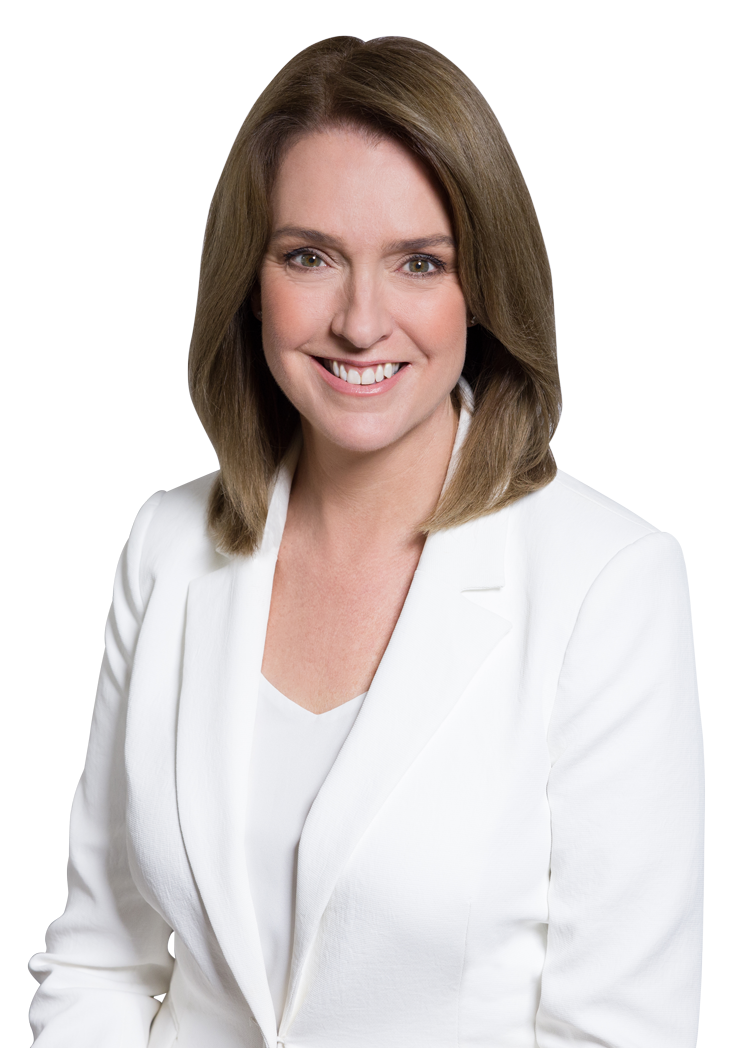
KELLIE SLOANE MP
Thank you Mr Speaker,
I move:
That this house –
- Notes 50% of deaths in males aged under 75 are potentially avoidable through earlier intervention, improved access to healthcare and lifestyle support.
- Notes over 75% of deaths by suicide in NSW are men and suicide remains the leading cause of death for men aged 15-44.
- Acknowledges that the barriers men and boys face in accessing physical and mental health supports represent a serious public health challenge for the over four million men and boys living in NSW.
I want to start by thanking the many people and men’s health organisations represented in the public gallery tonight.
Movember, The Man Cave, Men’s Shed, Healthy Male, the Men’s Table, Mentoring Men, The Man Walk Australia, Mongrels Men, Lifeline, Gotcha4life, Blackdog Institute, Prostate Cancer Foundation and many more.
The work you do is incredible and impactful, and the lives of countless men and boys in our state and across Australia are better because of what you do every day.
On behalf of the NSW Opposition, I thank you for being here.
Tonight, we are here to talk about our boys and men.
Our mates, loved ones, our sons, brothers, dads, grandfathers.
We are here as the NSW Parliament to say, ‘Men’s Health Matters’, and we must do better.
Because too many men in NSW are dying early. Too many from preventable causes. Too many men are falling through the gaps.
From the bloke on the work site, who’s noticed something’s not right, who’s been putting off that GP visit for six months because he’s too busy and thinks it is probably nothing.
To the boy in his bedroom, battling with his mental health and unsure where to turn for help.
The new dad, who has just welcomed his first child into this world but finds himself quietly struggling with this big new chapter in his life.
I stand here tonight as the NSW Opposition Leader, but I am also a mum of three boys.
I think a lot about the kind of men they are growing up to be, not just in character, but in health and happiness too.
I want them to grow up in a New South Wales where asking for help is seen as strength, not weakness.
Where all men and boys can find support easily when they need, because governments have invested in the services and organisations to support them.
Where men’s health is treated as a priority for government.
I also want to say something else, which I think is often missed in this conversation.
Can we please stop bagging men... telling them they're toxic – that they're broken. That the manosphere is broad spread. It's not. Let’s start celebrating healthy masculinity. Let’s champion top blokes.
Let us start by celebrating healthy masculinity and let us champion our top blokes. Helping men does not have to mean helping women less. Often when men fall ill, physically or mentally, it is the women in their lives who care for them. It is also women who bear the brunt of increasing levels of domestic violence.
In recent years we have seen progress when it comes to men's health, but there is still so much more we can do. I previously congratulated the Federal Government on its appointment of a Special Envoy for Men's Health.
When I became New South Wales Opposition leader last year, I was clear that I wanted to appoint a shadow Parliamentary Secretary for Men's Health.
He is sitting behind me: the member for Davidson. The member for Davidson is an incredible colleague and individual.
He is a cancer survivor, a new dad and a champion of men's health.
When we made our announcement, the feedback was immense. Men from across New South Wales reached out and said, "Thank you for listening. We sometimes don't feel like people are listening." I have lost count of the number of mums who have reached out to me—mums who have said, "We love our boys but we're worried we're losing them." One mum in particular said to me, "I have a daughter and she is flourishing and confident. I am so proud of her. She is achieving everything that she should be able to achieve. But my son has shrunken into himself.
He's a bit afraid to ask girls out on a date. He keeps getting passed over for job opportunities. He has lost his confidence." That is whom I refer to as a generation of lost boys, and I am determined to help them find themselves again with the support of the people in the gallery, the broader community and our colleagues.
I have spoken about the real need for New South Wales to have a men's health strategy tied to investment in practical services to support men and boys.
Tonight, I make a commitment that, if the Liberals and The Nationals are elected in March next year, as Premier, I will prioritise a men's and boys' health strategy that will span 10 years.
We will get the strategy done in the first year.
I appreciate that the work will take many years. The strategy will be informed by men and boys, and by the people in the gallery today.
I do not want it to be a strategy that gathers dust on the shelf; I want it to be one that has clear targets for reducing male suicide—a strategy that strengthens prevention and early intervention pathways and improves access to services in regional and outer metropolitan communities, and that supports our boys to build healthy identities and aligns with domestic and family violence prevention priorities.
As part of the strategy, I am also committed to hosting a two-day men's health summit next year, which would include one day in regional New South Wales. It will be an opportunity to bring together health professionals, researchers and advocates to inform the delivery of the strategy.
I want New South Wales to have the best outcomes for men's and boys' health in our country.
But to do that we must first have a strategy that guides our direction, sets targets and measures our success. We are all shaped in different ways by the incredible men and boys in our lives.
All the men and boys in our lives deserve to live long, fulfilling and happy lives.